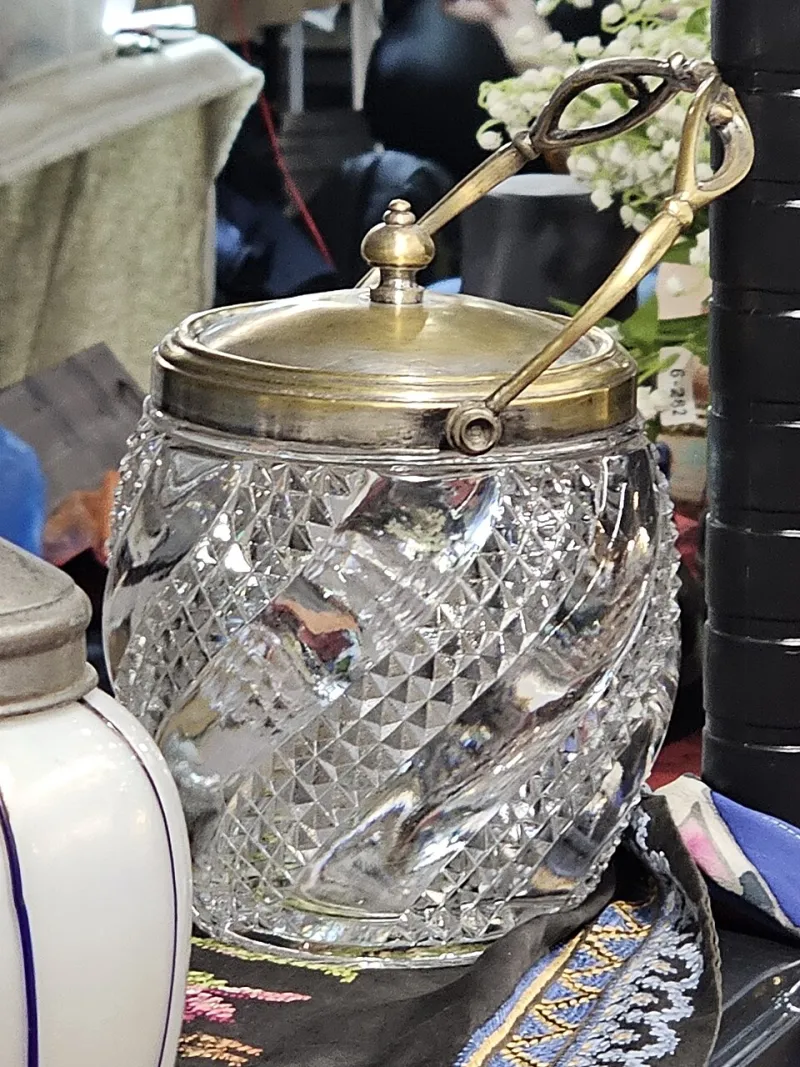
Tenner by Tenner: A Gentle Guide to Collecting Handmade Ceramics

Photo: Nkropuenske, CC BY-SA 4.0, via Wikimedia Commons
There is a particular kind of joy in buying a handmade mug that costs less than lunch out. It is not the same joy as saving for months and finally bringing home a proper studio piece, but it is real, and it is repeatable. The trick is to give the whole thing a bit of structure — not so much that collecting becomes a spreadsheet, but enough that your shelves end up full of things you love rather than things you bought because they were there and the price was right.
The Payday Pot
My favourite method is almost embarrassingly simple: on payday, put aside a tenner for ceramics. Not every payday, necessarily. Not if the boiler has just coughed its last or the car needs new tyres. But as a default, a small, guilt-free pot that accumulates quietly until you find something worth spending it on.
A tenner a month is £120 across a year. That is not nothing. It is enough for several market mugs, a couple of charity-shop plates, a small glass vase and maybe a bowl from a seconds sale — or one lovely studio piece if you let it build up and then add a little extra from a birthday or Christmas. The point is not the exact amount. The point is that you stop buying randomly and start buying with a bit of intent.
Keep the pot separate — a jar, a savings pot, an envelope in a drawer. If it sits in your current account it will be absorbed by a supermarket shop before you can say “reactive glaze”.
What a Tenner Actually Buys
At a UK makers’ market in 2026, a tenner might buy a small dish, a spoon rest, a tiny bud vase, a soap dish or a modest tumbler. It will not usually buy a large hand-thrown bowl from a full-time potter, and that is fine. Small pieces are brilliant entry points. They let you live with a maker’s work before committing to a bigger spend, and they are useful in a way that ornamental objects sometimes are not.
At a car boot sale or an antiques fair, a tenner can be genuinely exciting. Look for British studio pottery marks on the base, but do not panic if you do not know them. Buy the piece you like first and research later. A small stoneware jug with a wonky handle and a bit of grit in the glaze can be far more interesting than a perfect factory-made thing at three times the price.
Charity shops remain the great wildcard. I have found handmade mugs for £2, pressed glass tumblers for £1.50 and a rather good earthenware serving bowl for £4 that has since become the default vessel for pasta. The trick is to go often but expect nothing. Ten minutes on a lunch break, a quick scan of the bric-a-brac shelf, then out. It is a low-stakes treasure hunt.
The Worth-It Test
Before handing over a tenner, give the piece a quiet once-over. Run a finger around the rim — is it smooth, or does it feel like it might chip the first time someone loads the dishwasher? Check the base for cracks. If it is a mug, hold it as though you are drinking from it. Does the handle fit your hand, or is it one of those decorative loops that looks lovely and feels like a dare?
Ask yourself three questions: Will I use it? Do I have a place for it? Would I still pick it up if it cost twice as much? If the answer to all three is yes, it is probably worth it. If the answer to the first two is no, step away. The £10 rule only works if it does not become the £10 clutter rule.
Seconds Sales Are Not Scraps
Pottery seconds sales are one of the best-kept secrets on the UK craft calendar. Potters sell pieces with slight glaze runs, small throwing lines, a tiny wobble in the foot ring or a colour that came out a shade off. None of that affects how well a jug pours or how good a bowl looks with oranges in it. In fact, a slight imperfection often makes the piece easier to live with, because you are not treating it like a museum object.
Go early if you can, take cash, and be honest about what you will actually use. A second-quality serving platter is a bargain if you host Sunday lunches. If it is going to live in a cupboard because it is “too nice”, it is not a bargain at all.
When to Save for the Studio Piece
There is a moment in every collection when you want one piece that feels properly special. A large bowl from a potter whose work you have followed for ages. A hand-blown glass vase with a colour you cannot stop thinking about. A mug with a price tag that makes you inhale sharply.
That is when the payday pot earns its keep. Let it build, add a little birthday money, and wait. The waiting is part of the pleasure. It stops you buying three almost-right things and ending up with a shelf of maybes. One saved-for studio piece, sitting next to a charity-shop plate and a market tumbler, often looks more considered than a shelf of expensive things bought in a hurry.
Mixing Cheap and Cherished
Styling a mixed collection is easier than it sounds. Group by colour rather than price. Keep everyday pieces where you can reach them — the mug you use for tea, the bowl that holds fruit, the little dish for keys. Put the saved-for piece somewhere you see it daily, not hidden behind a cupboard door. A handmade object that never gets looked at is just expensive storage.
And leave a little space. A shelf with five good things and a gap looks calmer than a shelf crammed with ten okay ones. The same goes for the collection itself: buy slowly, use what you have, and let the next payday pot fill up while you decide what you actually want.
That is the whole rule, really. A tenner here, a careful look there, a bit of patience in between. Before you know it, you have a collection that feels like yours — not bought in one go, but built tenner by tenner.