Lamplight Season: Styling Handmade Ceramics and Glass for Early Dusk

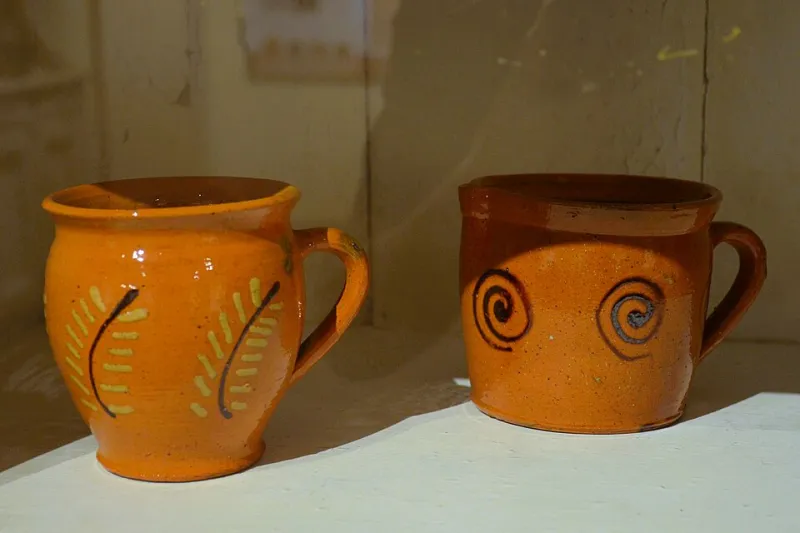
Photo: Evelyn Simak, CC BY-SA 2.0, via Wikimedia Commons
There’s a particular November moment in the UK when the sky gives up somewhere around four o’clock and every room suddenly feels like it’s waiting for someone to switch a lamp on. The temptation is to fight the gloom with overhead lighting, but that rarely helps. A bright ceiling light flattens everything — including the handmade pieces you actually love. Early-winter styling is really about working with the dark, not pretending it isn’t there.
Let reflective glazes catch the light
Glossy ceramics are your quiet allies in a dim room. A celadon bowl, a shiny tenmoku cup or a glazed stoneware vase will pick up a pool of lamplight and send it back into the room. The effect is subtle but generous: a small, warm highlight that makes a shelf feel inhabited rather than ignored.
Place these pieces where a lamp can graze them from the side rather than blast them from above. A low table lamp beside a sofa, a floor lamp near a bookcase, even a small rechargeable lamp on a windowsill — all can turn a glazed surface into a little event. Avoid tucking shiny pieces into dark corners where they’ll only reflect the back of a cupboard.
Matte clay gives the eye somewhere to rest
Too much shine can feel slippery. Matte stoneware, unglazed exteriors and speckled clay bodies add texture that holds its own in low light. A matte mug on a dark wooden table, a rough-footed planter on a windowsill, a hand-built dish with visible grog — these pieces don’t sparkle, but they feel tactile and grounding.
Try pairing one reflective piece with two or three matte ones. The contrast is what makes both sing. A glossy green vase next to a chalky white jug and a dark, sandy-textured bowl looks considered without looking staged.
Coloured glass is the easiest glow you can buy
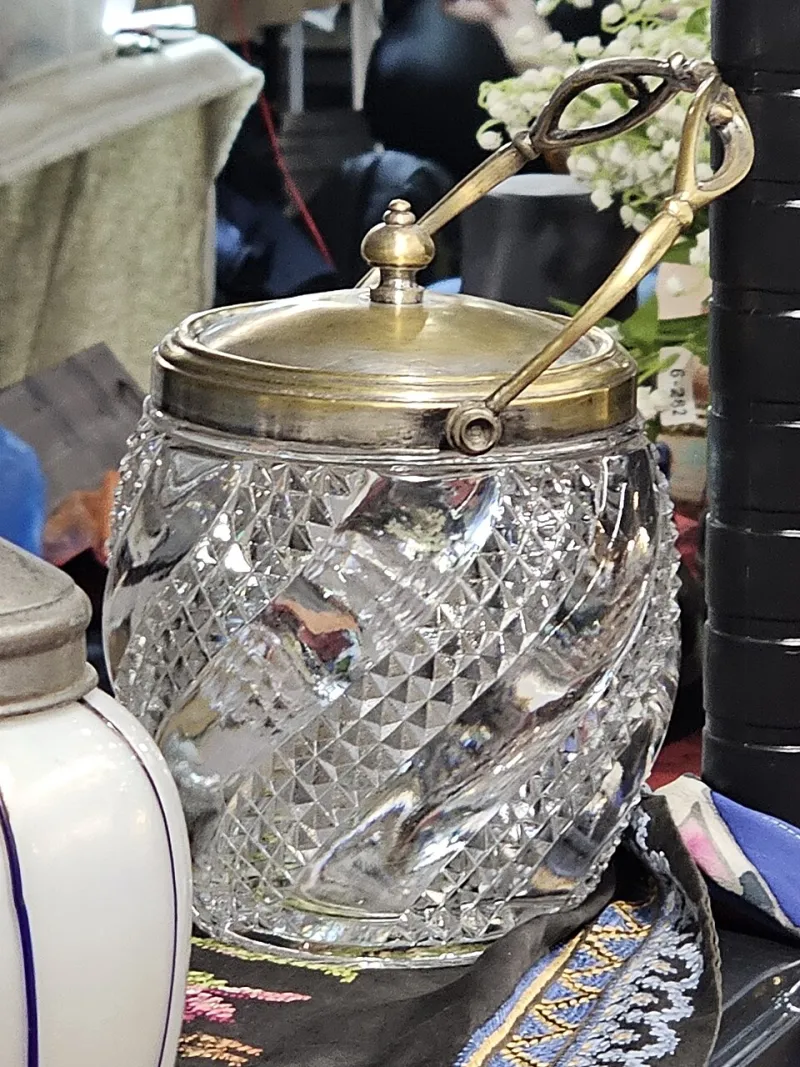
Glass behaves differently from ceramics. It doesn’t just reflect light; it colours it. Amber, smoked grey, deep green and soft blue glass can make a lamp-lit corner feel warmer or more interesting without adding another bulb. A coloured glass tumbler on a bedside table, a small glass vase on a kitchen windowsill, a cluster of charity-shop glasses on a tray — none of these need to be expensive to do the job.
In a north-facing or rented room where you can’t change the walls, coloured glass is a low-commitment way to shift the mood. Keep it near a light source, but not so close that it looks like a shrine to the lamp. A little distance lets the colour breathe.
Shadows are part of the scheme
Once lamps are doing the work, shadows become a material you can style with. A dried stem in a tall vase, a slatted lampshade, a ceramic jug with an uneven rim — all of these throw soft shapes onto a wall. In winter, that bit of movement is oddly comforting.
If you have a plain rented wall and no art, try a shelf with two or three varied heights: a low bowl, a mid-height mug, a tall glass vase. Put a lamp to one side. The shadows will do the rest. It’s a cheap trick, but it works.
Small, rented and north-facing rooms
In a small flat, the biggest mistake is clustering all your nice pieces in one dark corner and then wondering why they disappear. Spread them out. Put a mug by the kettle, a bowl on the coffee table, a vase on the windowsill, a glass dish by the bathroom sink. In early-winter light, small repeated moments of warmth beat one grand display.
Mirrors help, but they don’t have to be huge. A small round mirror above a shelf can bounce lamplight back onto a matte pot. If you can’t put anything on the walls, use the top of a bookshelf or the back of a desk. And don’t underestimate the humble tray: a tray of mixed ceramics and glass on a dark surface reads as a deliberate still life rather than clutter.
Photographing it without a studio
If you want to share your winter styling on Instagram or send a photo to a friend, turn off the overhead light. Wait until the room is properly dusky — around four or half four — and switch on one warm lamp. Put your phone on a stable surface, tap to focus on the glaze or the glass, and let the shadows stay dark. A little grain is fine. The goal isn’t a catalogue shot; it’s the feeling of a room that’s been lit for comfort.
A last word on candlelight
Candles are lovely, but keep them away from anything that might catch — dried stems, loose paper, curtains. A glass hurricane or a ceramic candle holder gives you the glow with a bit more safety. And if you’re using coloured glass, check it’s heat-resistant before you put a real flame inside. A small LED candle in a vintage glass tumbler is a perfectly good cheat on a dark Tuesday in November.
The early dusk doesn’t have to be something to endure. With a few reflective glazes, some honest matte clay and a bit of coloured glass, you can make the lamplight feel like the main event.