Odd Plates, Better Dinners: In Defence of a Table That Never Matched

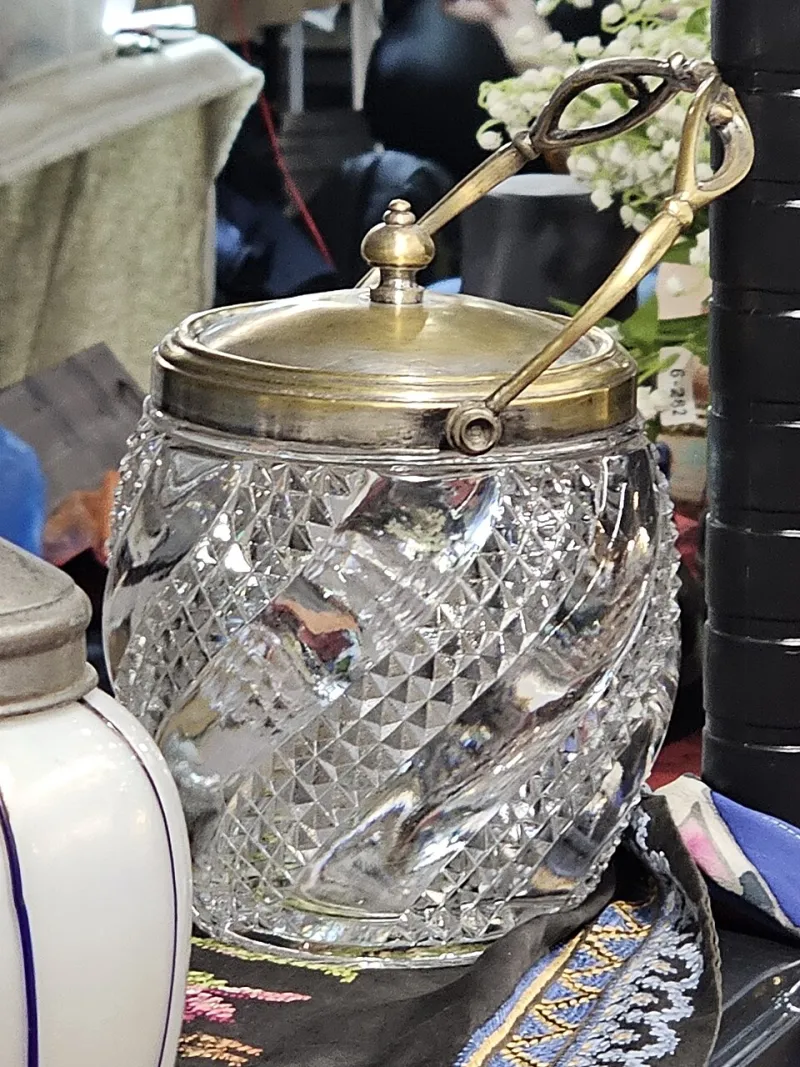
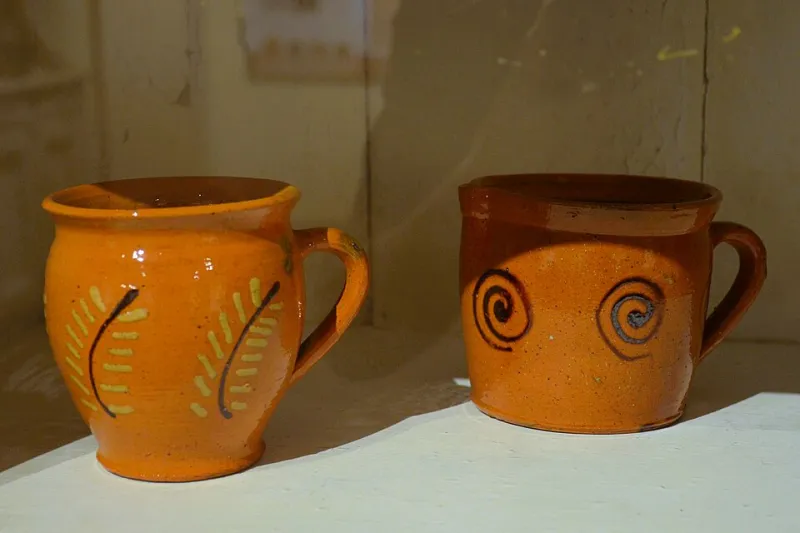
Photo: mismatched vintage ceramic plates and bowls on linen tablecloth natural light, via www.alltop9.com
There is a particular kind of guilt in the British kitchen cupboard. It belongs to the plate you can't throw away and can't quite bring yourself to use, because it is the last survivor of a set that no longer exists.
Most households have one. A wedding-gift service of eight that has quietly become four and a half. A discontinued pattern from the nineties. The final remaining bowl from a stack bought out of a catalogue long before anyone in the house was old enough to have opinions about glaze. It sits at the back, unused, because using it would break the set — and a set, once broken, is just a pile of plates.
I'd like to make the case that the pile of plates is the better object. That a table assembled from studio seconds, charity-shop finds, inherited bits and one genuinely good bowl isn't a compromise you make when the money runs out. It's an upgrade you make on purpose.
The matching service is younger than you think
Complete dinner services are broadly a nineteenth-century idea, and they only reached ordinary homes once manufacturing got cheap enough to produce identical things at scale. Before that, most kitchens accumulated. You had your grandmother's serving dish, a jug from a fair, plates that came with the house, a bowl won at a raffle. The table was a record of who had fed you.
That record is what a matching set quietly deletes. Twelve identical plates say nothing about anyone. They are efficient, they stack beautifully, and they are completely silent.
What a mismatched table actually gets you
Three practical things, before we get to sentiment. First, resilience: when one plate from a set of twelve chips, you have eleven plates. When one plate from a mismatched six chips, you have five plates and no problem at all, because the sixth was never pretending to be the fifth. Second, replaceability — you can add to a mismatched table for decades without hunting eBay for a discontinued pattern. Third, and this is the one that matters, you actually use the good stuff. There's no 'best' crockery held back for guests, because there's no set to preserve.
The sentimental argument is simpler. A table of unrelated pieces is a table with a memory. The blue bowl from the charity shop in Whitby. The wonky mug a friend made. The plate that came from your mum's cupboard and weighs about as much as a house brick. Nobody has to explain a matching service.
Four rules that stop it looking like a jumble sale
Mismatch works when there's one quiet thing holding it together. Pick your anchor and stick to it.
Agree on clay, disagree on glaze
Think in families rather than patterns. Earthenware tends to be warmer, chunkier, more generous at the rim. Stoneware is denser and more neutral. Porcelain is fine, cool and slightly formal. Choose two of those three and let the glazes do the arguing. A chunky earthenware dish next to a thin porcelain plate reads as a decision. Three different clay bodies of wildly different thickness on the same table reads as an accident.
Pick a key, not a rainbow
Three glaze colours is plenty. Choose one anchor — oatmeal, cream, a soft off-white — that appears on at least half the table. Add one mid-tone: sage, ochre, dusty slate. Then allow a single accent, used twice at most: a cobalt rim, a rust interior, a deep oxblood. The mistake people make isn't mixing colours, it's mixing two strong colours of the same visual weight and letting them fight.
Let the glass referee
Clear glass calms everything down. It's the reason a busy table with a plain glass jug on it suddenly looks composed. If you want colour in the glassware — smoked grey, amber, a bit of Bristol blue — treat it as your accent and keep everything else quieter. Three textures is the ceiling: one smooth, one pressed or textured, one coloured.
Break the symmetry, keep the spacing
Group in odd numbers. One tall thing, two low things. Leave gaps — a table where every centimetre is filled looks like a shop display, not a Sunday lunch. Stack plates in two uneven piles rather than one perfect column, and put the chipped one at the bottom where it can't be seen and can still be used.
If you only own one good bowl
Start there. Don't buy a set of anything — ever again, ideally — and don't try to match the bowl's pattern. Match its temperature instead. If the glaze is warm and earthy, look for plates in cream, oat or tan. If it's cool and grey-blue, lean into slate and chalk white.
Then buy two plain, cheap, thoroughly boring plates to act as the chorus. Plain seconds from a studio sale are ideal: £8 each, slightly uneven, absolutely fine. Three pieces is a table. Six is a collection. Charity shops, car boot sales and end-of-day market stalls are where the interesting bits come from, and the last hour of a boot fair is when prices get honest.
The awkward bits, honestly
Some glazes craze in a dishwasher, and a crazed glaze holds onto tea and grease. If something was expensive or hand-decorated, wash it up by hand and stop pretending you'll remember which is which — put the fragile ones on a separate shelf. Chipped rims get sanded smooth with a bit of wet-and-dry paper or retired to the plant shelf. And yes, some guests find a mismatched table mildly stressful. Keep four matching plates in a cupboard for those people. It costs nothing and buys a lot of peace.
What you're aiming for isn't a styled photograph. It's a table where the plates have been in the family longer than some of the family, and where nobody has to be careful. That's not shabby. That's the whole point.