Slip, Reclaim, Repeat: A Potter's Year, Told Through the Quiet Months

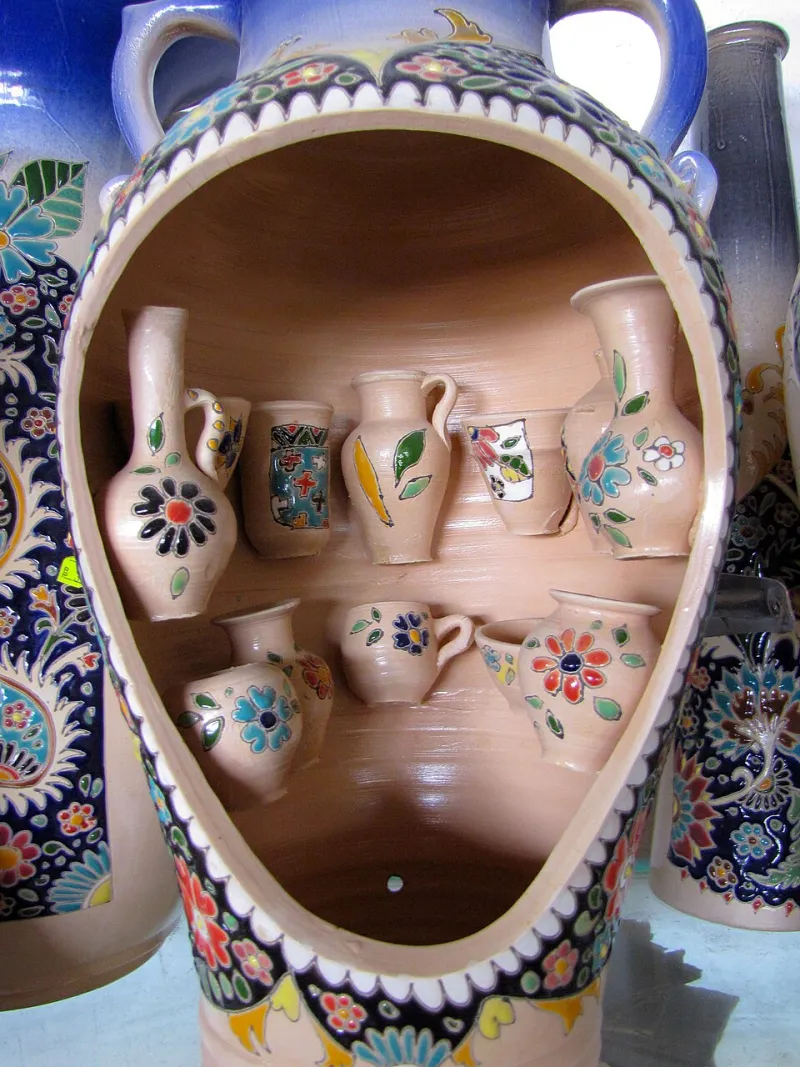
Photo: Unknown authorUnknown author, Public domain, via Wikimedia Commons
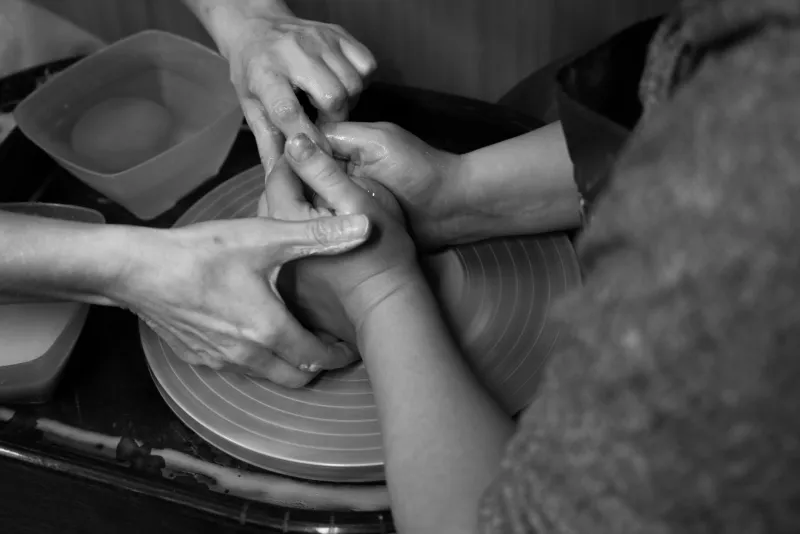
Ask anyone to picture a potter at work and they'll give you the same image: hands wet with slip, wheel spinning, a warm studio, a kiln glowing somewhere in the background. It's a lovely picture. It's also roughly ten per cent of the job.
Follow a British ceramicist across a full twelve months and what you actually see is a rhythm of long, unglamorous, largely invisible work interrupted by short bursts of public-facing panic. Understanding that rhythm changes what a £30 mug looks like in your hand.
The calendar nobody photographs
The working year in a small UK studio runs on two clocks: the kiln and the market calendar. Everything else — the reclaiming, the testing, the wedging, the cleaning — fits around those. Here's how 2026 tends to unfold, drawn from the seasonal patterns potters across the country describe.
January to March: buckets, tiles and a spreadsheet
January in a British studio is cold. Clay that lives in an unheated shed can freeze solid, which means the first job of the year is often thawing it out and hoping the bags haven't split.
The real work, though, is reclaim. Every studio accumulates a bucket of dried-out scraps, failed pulls and trimming offcuts, and at some point that bucket becomes raw material again. The process is slow by design: slake the scraps down with water until they collapse into slop, spread the slop onto plaster bats to draw out moisture, then wedge it back to a workable consistency. Some potters run it through a pugmill; plenty don't own one and do it by hand.
Alongside the buckets sits the glaze notebook. Winter is when test tiles get made and fired in small batches — a dozen tiny squares, each with a different oxide ratio, each labelled in marker. Most will be wrong. That's the point. A glaze that looks like a deep moss green on one clay body can come out as a flat grey sludge on another.
The unglamorous peak arrives at the end of January, when self-assessment tax returns are due and every potter in the country spends a weekend squinting at receipts. Then February brings maintenance: checking kiln elements, replacing a thermocouple, deep-cleaning the floor because silica dust is the genuine, unromantic hazard of the trade.
April to June: the making push
By spring the studio has warmed up, drying times have shortened and stock needs to exist. This is when repeatable pieces get made in batches — the mugs, the cereal bowls, the plate that sells out every time.
Drying is the bottleneck nobody outside the craft appreciates. A handle attached to a mug that's drying too fast will crack at the join; too slow and the whole thing goes soft. Hence the damp cupboard, the plastic sheeting, the careful rotation of boards from the warm end of the studio to the cool end. A single mug might sit untouched for four days, doing nothing, and that nothing is critical.
Outdoor events start in May and June, which means gazebos, weights, public liability insurance, and a weather forecast checked obsessively in the week beforehand.
July and August: heat, fairs and packing problems
Peak fair season collides with peak studio temperature. Warm air pulls moisture out of clay far too quickly, so July is a month of wrapping everything in cling film and working at odd hours.
It's also the month of logistics. Bubble wrap. Boxes within boxes. A card reader that loses signal in a field in Wiltshire. Stock made in spring gets sold, photographed, wrapped and driven around the country, and every market teaches the same lesson: the pieces you loved making are rarely the pieces that sell.
September and October: the last big firing
Autumn is the pressure point. Wholesale orders for the Christmas period are due, and stock has to be glazed and fired — usually more than once — with enough slack to absorb a failure. Kiln packing becomes an art: wadding, props, a careful arrangement that maximises space without letting anything touch. A glaze firing that goes wrong in October is not an inconvenience, it's a hole in the year's income.
November and December: the winter rush
Then it's markets, weekend after weekend, in cold halls and on closed-off high streets, with the last posting dates for online orders circled in red on the studio wall. Breakages spike. Sleep drops. Every potter swears, quietly and with feeling, that next year they'll start earlier.
And then, somewhere around the middle of December, it stops. The studio gets swept. Stock gets counted. The bucket starts filling up again.
Why the slow bits end up in your mug
Here's the practical consequence of all that quiet work. Clay that has been properly reclaimed and thoroughly wedged behaves predictably — it doesn't trap air, so it doesn't blow apart in the bisque firing, and it doesn't develop the S-shaped cracks that appear in poorly prepared clay weeks after the piece looks finished. A handle fitted at the right moisture level stays put. A glaze that has been tested six times on that exact clay body doesn't crawl or pin-hole.
Every one of those outcomes is the visible result of an invisible decision made in February.
What that means at the till
A handmade mug in the UK in 2026 will typically set you back somewhere between £24 and £45. Set that against the hours: the reclaiming, the wedging, the throwing, the trimming at the leather-hard stage, the handle pulling, the drying, the bisque firing, the glazing, the glaze firing, the grinding of the base. Two firings alone can take the best part of a day in kiln time, and kiln time costs money — a fact made considerably sharper for many studios by the energy price rises of 2022.
You are not buying a mug. You're buying a year's worth of judgement compressed into one object: a decision about which clay behaves, which glaze holds, which handle fits a hand. That's the bit that never makes it into the Instagram post, and it's the bit that makes the mug worth keeping.