Mud, Merlot and the Joy of Switching Off: Inside a 2026 Pottery Class
Last month I found myself in a basement studio in Bristol with wet clay to my elbows, a glass of something red on the windowsill and absolutely no bars on my phone. It was, genuinely, the most relaxed I had felt in weeks. I had booked a two-hour taster session for the same reason most people do: I wanted to make a mug. What I got was a lesson in slowing down, a slightly wonky bowl and clay under my fingernails for two days afterwards.
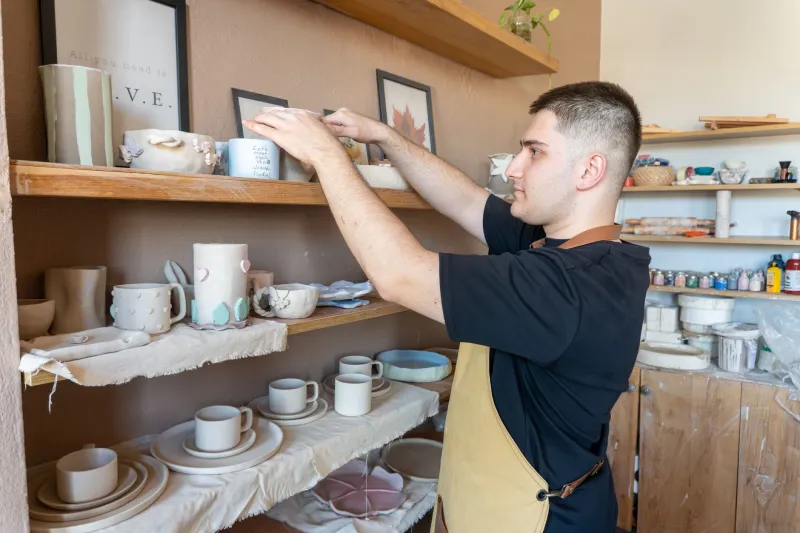
The UK pottery class scene in 2026 is a broad church. At one end there are taster evenings in converted mills — I have friends in West Yorkshire who swear by a studio with exposed beams, a wood-burning stove and a kiln in what used to be a loading bay. At the other end are six-week courses in city studios, the sort that sell out faster than gig tickets and where you spend the first week just learning to wedge clay properly. Somewhere in the middle are the pub-adjacent workshops, the community centre classes and the Saturday morning sessions that come with a very good bacon butty.
Booking the right kind of class
If you are dipping a toe in, a taster is the sensible start. Two hours, usually £35 to £55, and you will come away with one or two pieces if the studio includes firing in the price. Check that before you book — some courses charge extra for glazing and firing, which can add £10 to £20 per piece. A six-week course is a bigger commitment, often £180 to £260, but it gives you time to actually learn. You will throw more than one cylinder, you will learn to trim a base, and you will probably glaze something you are proud of.
I booked a taster first and then immediately signed up for a six-week course. The difference was like the difference between a spa day and learning to swim. The taster was lovely and gentle. The course was harder, funnier and far more satisfying.
What actually happens on the wheel
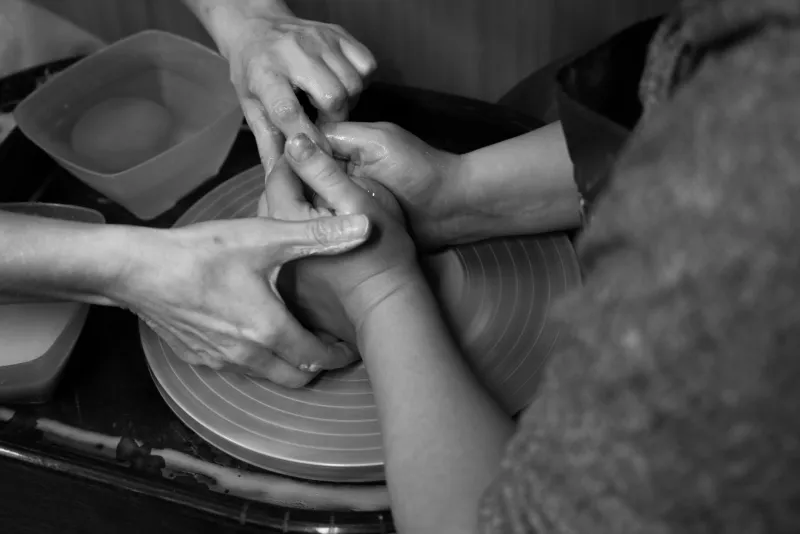
Here is the honest version. The tutor demonstrates centring and makes it look like meditation. You sit down, press the pedal, and your clay develops a personality of its own. It wobbles. It leans. It may attempt to leave the wheel. This is normal. The first rule is to keep your elbows braced against your thighs and your hands wet but not dripping. The second rule is to stop before the clay gets tired. Overworking it is the most common beginner mistake, and it is why so many first attempts end up as a very expensive ashtray.
You will probably not make a mug on the first night. I made a bowl that looked like it had been through a minor earthquake. By week three I made a cylinder that stood up on its own. By week six I had a mug with a handle that only slightly resembled a question mark. It holds tea. I use it every morning. That is the point.
The kit question, answered
You need less than you think. Most studios provide clay, wheels, tools and aprons. Wear clothes you do not mind sacrificing to the cause, and bring an old towel. Short nails are essential. Rings are a nuisance. Long sleeves get in the way, and anything dangling near a spinning wheel is a bad idea. If you fall in love with it, you can buy your own basic tool set for around £15, but wait until you have done a few sessions. There is no point buying a whole pottery setup before you know whether you actually like the feel of clay.
Wine, silence and the phone in your bag
The wine is optional, but it is part of the grown-up pottery class charm. Some studios have a licence and sell small glasses; others let you bring your own. Nobody minds if you stick to tea. What matters more is the phone signal, or lack of it. My studio was in a basement with thick walls, and after the first ten minutes I stopped reaching for my phone. That felt strange, then brilliant. You cannot scroll and centre clay at the same time. The room settles into a quiet rhythm of wheels humming, water dripping and someone muttering sorry to a lump of clay.
The mug at the end of the evening
The best pottery evenings do not end with a perfect object. They end with clay under your nails, a slightly aching back and a mug you made yourself, even if the handle is wonky and the glaze ran a little. In 2026, when so much of life happens on a screen, there is something quietly rebellious about spending an evening making a useful, imperfect thing with your hands. Book the taster. Take the old towel. Leave your phone in your bag. The mug will follow.