Fault Lines and Second Lives: A Practical Guide to Chipped Pots
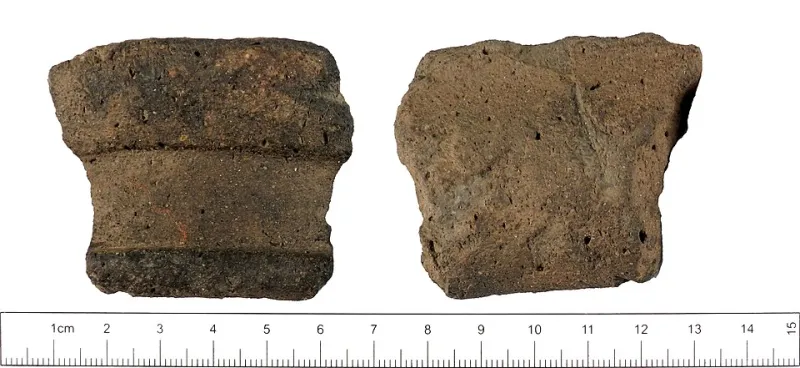
Photo: York Museums Trust, Rebecca Griffiths, 2012-07-03 13:03:06, CC BY-SA 2.0, via Wikimedia Commons
There is a mug on my shelf with a chip the size of a lentil on its rim. It was thrown by a potter in Stoke-on-Trent, glazed in a soft oatmeal colour, and it has held roughly four hundred cups of tea. I have tried to retire it twice. Both times it came back out of the cupboard within a week. If you are reading this, you probably have a pot like that too — one that has crossed from useful object into small, stubborn companion.
The good news is that a chip is rarely the end of the story. The better news is that mending has become a quiet little movement of its own, with proper UK services, food-safe adhesives and a styling language all of its own. Here is how to work out what you are dealing with, and what to do next.
First, the honest bit: when a chip is a hazard
Not every damaged pot is safe to keep in rotation. A small glaze chip on the outer rim of a mug is usually cosmetic, especially if the exposed clay feels smooth rather than sharp. But a crack that runs through the body of the vessel is a different matter. If you can catch a fingernail on the inside of a crack, bacteria can settle in there, and no amount of hot water will shift it. The same goes for a chip that has left a rough, jagged edge near where your lips meet the cup.
Be cautious with vintage or unfamiliar glazes, too. Older imported ceramics sometimes contain lead or cadmium in the glaze, and a chip exposes the clay beneath. If a piece is decorative, that is one thing. If it is a daily-use bowl, it is worth retiring it from food duty.
A useful rule of thumb: if the damage is on a surface that touches food or drink, and it is deep enough to trap residue, treat it as a display piece. If it is a hairline crack on the base or a chip on the outside, you have more options.
The glue aisle: what actually works (and what doesn't)
The internet is full of confident advice about superglue. Most of it is wrong for ceramics. Standard cyanoacrylate — the stuff in tiny metal tubes — is brittle, breaks down with heat and moisture, and is not formulated for food contact. It will hold a decorative plate together for a while, but it is not a long-term repair.
Two-part epoxy is the practical middle ground. Once fully cured — usually after 24 hours — most reputable brands are considered food-safe for occasional contact, but always read the label and check the manufacturer's guidance. Do not use epoxy on anything that will go in the dishwasher, microwave or hold boiling liquid. It is brilliant for a cracked handle, a chipped foot ring or a decorative bowl that will hold fruit rather than soup.
For a more serious repair, Hxtal NYL-1 is the gold standard used by professional restorers. It is expensive — expect to pay £30 or more for a small kit — and it takes 24 to 48 hours to cure, but it is water-clear, non-yellowing and strong. It is the adhesive you reach for when the pot matters.
Whatever you use, preparation is everything. Clean the break with warm soapy water and let it dry completely. Work in a warm room. Dry-fit the pieces first. And resist the urge to fiddle while it sets. A glued chip that is slightly out of alignment is a chip that will always look slightly out of alignment.
When to call someone: professional restoration and kintsugi
Sometimes the pot deserves more than a tube of epoxy. In the UK, a simple chip repair at a professional ceramics restorer typically starts around £40 and can rise to £70 or more for colour-matching. A full crack restoration — filling, retouching and glazing — usually lands between £80 and £150. It sounds like a lot for a mug. It is also, for a piece with real sentimental weight, often less than the cost of replacing something you will never quite replace.
Kintsugi — the Japanese art of repairing with lacquer and gold — has become popular here, and there are now workshops and studios across Britain offering it. A proper kintsugi repair uses urushi lacquer, which is natural but not always food-safe, so most practitioners recommend the finished piece for decorative use. Expect to pay £60 to £200 depending on the size of the repair and the finish. Kits for home use start around £30, and they are a lovely way to spend a slow Sunday.
Styling the mended pot
This is where the repair shelf comes in. Group two or three mended pieces together on a shelf or sideboard and they stop looking like casualties and start looking like a collection. A chipped jug becomes a pen pot or a holder for wooden spoons. A cracked bowl becomes a home for keys or a small plant, provided you slip a plastic nursery pot inside. A kintsugi-repaired plate can lean against the wall as a small piece of wall art.
The trick is to give damaged pots a job that does not require them to be waterproof or food-safe. Think of them as texture — a bit of history on a shelf, sitting next to the newer, shinier things. In a small rented flat, a mended pot is also a useful styling tool: it adds warmth and imperfection without adding clutter.
A small philosophy of repair
There is a reason we struggle to throw out a chipped mug. It is not just the object. It is the morning it held, the person who made it, the fact that it has already survived something. In 2026, with more of us trying to buy fewer, better things, mending has become a quiet form of good manners — towards the maker, towards the materials and towards ourselves.
So repair it, display it, or pass it on with a story. Just do not put it in the bin without giving it a second look. A fault line is not a flaw. It is a map of where the pot has been.